






This post is for educational and professional awareness purposes only. It does not constitute clinical advice. Readers should refer to national health authority guidance for operational decisions.
Link:
India Infectious Disease Intelligence
Daily Surveillance Brief
Microbiology & Public Health Signal Monitoring — India Focus
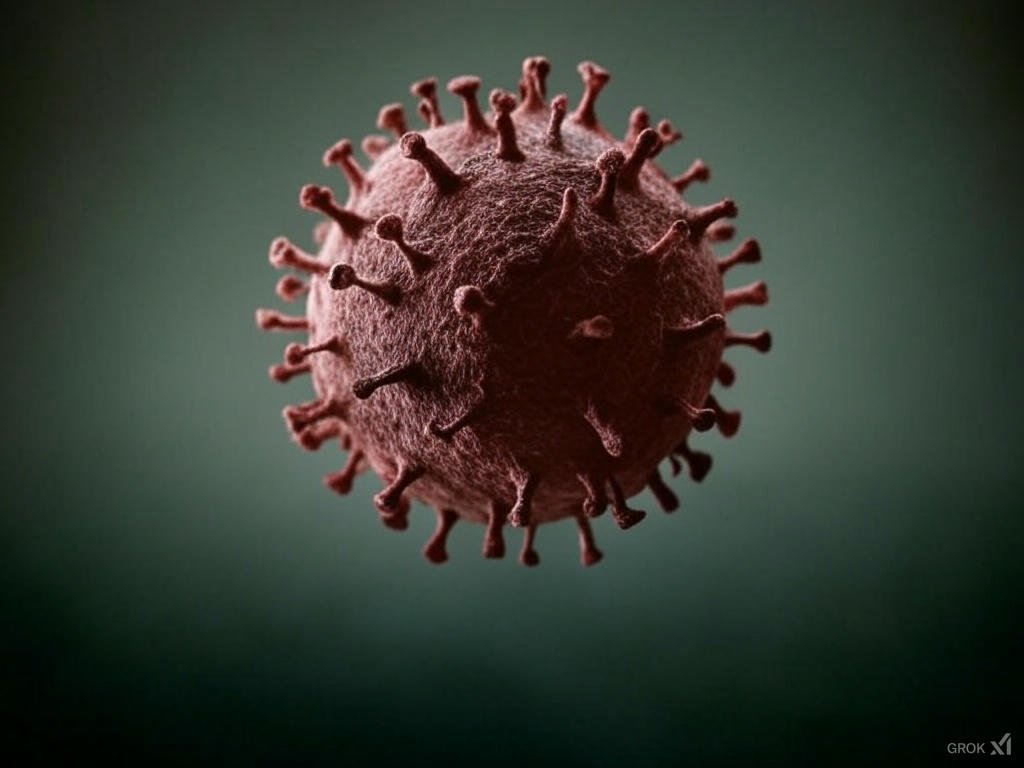
A rare hantavirus outbreak has been reported aboard the MV Hondius, a Dutch-flagged expedition cruise ship, during an “Atlantic Odyssey” voyage. Two Indian crew members have been identified and are currently asymptomatic and under observation.
India’s Health Ministry (MoHFW), ICMR, and NIV Pune are actively monitoring the situation via International Health Regulations (IHR) channels. No immediate public health threat to India has been declared.
- Transmission: Primarily rodent-to-human via inhalation of aerosolised urine, droppings, or saliva; also direct contact with infected rodents. ✓
- Human-to-human transmission: Documented only for Andes virus (ANDV), South America. All other hantavirus species: no substantiated person-to-person spread. ✓
- Clinical syndromes: Hantavirus Pulmonary Syndrome (HPS) — New World strains; Haemorrhagic Fever with Renal Syndrome (HFRS) — Old World strains. Features include fever, fatigue, myalgia, GI symptoms, and strain-dependent pulmonary or renal involvement. ✓
- Differential diagnosis in India: Dengue, leptospirosis, scrub typhus, influenza-like illness — diagnostic overlap is clinically significant. ✓
Active NTEP mobile/handheld X-ray TB case-finding at Sadabad toll plaza and congregate settings. Part of ongoing active case-finding strategy under TB Mukt Bharat.
Emerging concern around TB burden in slum/JJ cluster settings. Separate resurfacing of NHRC intervention in a Shimla nursing college TB outbreak (hygiene-related; prior event, not new).
Municipal Corporation of Delhi (MCD) conducted dengue and malaria awareness rally and fogging activity in Shahdara South Zone, Anand Vihar Ward. Citizen-level messaging: “Prevention is Better Than Cure.” No disease surge reported.
Scattered references to India’s AMR burden with calls for stronger vaccination uptake (Mission Indradhanush, Typhoid Conjugate Vaccine) to reduce antibiotic overuse pressure. No specific resistance mechanisms (NDM, OXA-48, colistin, C. auris) were discussed today.
A journalist has proactively sought domain expert input on the AMR–wastewater intersection (population genomics / disease ecology angle) — ahead of mainstream media coverage. A weak but early signal.
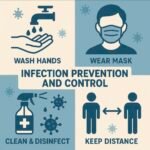
World Hand Hygiene Day (5 May 2026) observed at Christian Medical College & Hospital, Ludhiana. Hospital-wide activities led by IPC team under the theme “Action Saves Lives.”
| State / Region | Signal | Status |
|---|---|---|
| National (IHR) | Hantavirus monitoring — MV Hondius, 2 Indian crew (asymptomatic) | Monitoring |
| Delhi | MCD vector-borne awareness; JJ cluster TB concern raised | Routine |
| Uttar Pradesh (Hathras) | NTEP active TB case-finding via mobile X-ray | Operational |
| Punjab (Ludhiana) | CMC Hospital — IPC World Hand Hygiene Day activities | Completed |
| Himachal Pradesh (Shimla) | Resurfacing reference to prior nursing college TB outbreak (NHRC) | Historical |
This was a very quiet 24-hour period on core microbiology, AMR, and tropical medicine topics. The single dominant signal is reactive national monitoring of a hantavirus event linked to an international cruise incident. Media coverage combined with expert reassurance is the dominant mode — no escalation indicators.
Routine operational public health activity continues at expected background levels: TB case-finding, vector awareness, hospital IPC. No domestic outbreaks, resistance alerts, guideline updates, diagnostic shortages, or nosocomial clusters detected.
- Hantavirus discussion — spike directly tied to MV Hondius reporting cycle
- AMR–wastewater nexus: journalist-led expert outreach ahead of publication
- Hantavirus under-diagnosis in Indian febrile illness differential — historical reminder resurfacing
- Exact hantavirus strain circulating on MV Hondius — not yet publicly confirmed
- Secondary transmission risk from ship contacts — experts note rarity; data pending
- True domestic hantavirus burden in India — likely under-estimated given diagnostic overlap
Credit: Dr Suryabrata Banerjee {FRCPath (Medical Microbiology), Consultant Microbiologist, NHS, UK}

Thanks.
Welcome!