




This post is for academic purposes only. Please read the original document if you intend to use them for clinical purposes.
This document summarizes the key information regarding Crimean-Congo Hemorrhagic Fever (CCHF) as outlined in the Communicable Disease (CD) alert published in October 2025 by National Centre for Disease Control (NCDC) of Director General of Health Services (DGHS), Government of India. It is a severe zoonotic viral disease caused by the Nairovirus of the Bunyaviridae family. Characterized by an acute onset and a highcase fatality rate (CFR) ranging from 30% to 80% among hospitalized patients, the disease represents a significant public health threat due to its epidemic potential and risk of nosocomial (healthcare-acquired) transmission.
Advertisement:
1. Background
CCHF was first identified in 1944 among Soviet troops in the Crimean Peninsula, where it was initially termed Crimean Hemorrhagic Fever. In 1969, the causative agent was found to be identical to a virus isolated in the Belgian Congo in 1956, resulting in its current name.
- Classification: Enveloped, single-stranded negative-sense RNA virus with a tri-partite genome.
- Stability: The virus is stable for up to 10 days in blood at 40°C.
- Inactivation: Readily inactivated by heat (60°C for one hour) and common disinfectants, including:
- 1% Sodium hypochlorite
- 10% Household bleach aqueous solution
- 2% Glutaraldehyde
- 0.5%–3% Phenolic disinfectants
- Soaps and detergents
2. Epidemiology
2.1 Vectors and Reservoirs:
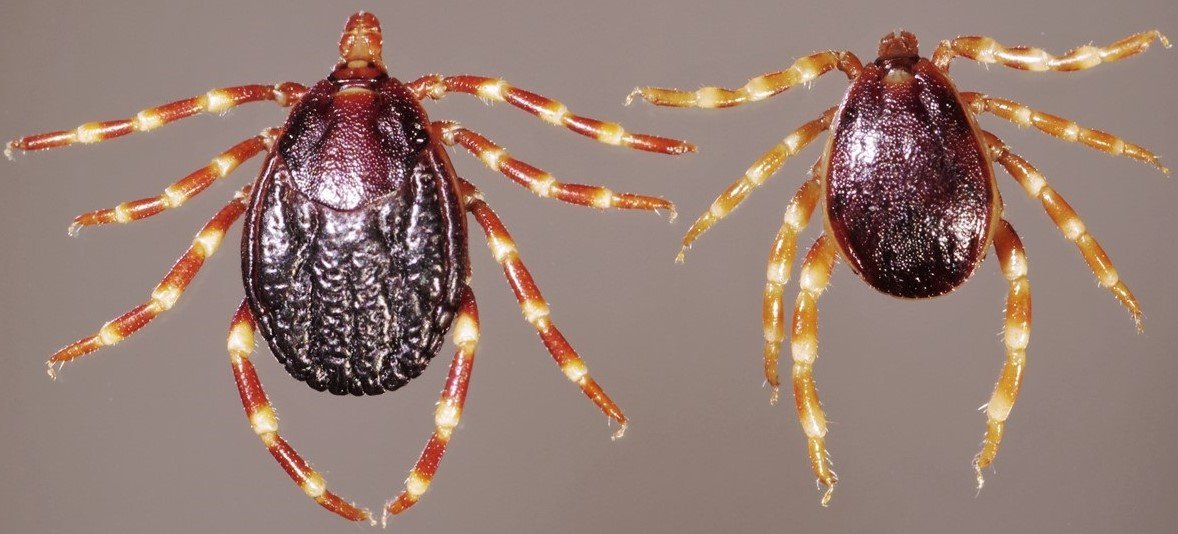
- Primary Vector: Ticks of the Hyalomma genus (family Ixodidae) act as both vectors and natural reservoirs.
- Maintenance Cycle: The virus is maintained through transovarial (tick to eggs) and trans-stadial (larva to nymph to adult) transmission.
- Animal Hosts:
- Small Vertebrates: Rodents, rabbits, and hares (hosts for immature ticks).
- Livestock: Cattle, sheep, and goats (hosts for adult ticks). These animals remain viremic for approximately one week but remain asymptomatic.
- Birds: Most birds are resistant, but ostriches are susceptible and can have a high prevalence in endemic areas.
2.2 Modes of Transmission:
| Transmission Type: | Description: |
| Vector-borne | Bite from an infected Hyalomma tick or crushing an infected tick against the skin. |
| Animal-to-Human | Direct contact with blood, secretions, or tissues of infected livestock during slaughter or husbandry. |
| Human-to-Human | Contact with infectious blood, body fluids, or wastes. Needle stick injuries and aerosol contact with blood in advanced disease stages are major risks. |
| Nosocomial (Heathcare acquired) | Heathcare acquired infections (HAI) resulting from inadequate barrier nursing and contact precautions. |
2.3 Factors Affecting Emergence:
- Climate Change: Expanding the geographic range and affecting the life cycle of the Hyalomma tick.
- Environmental Changes: Deforestation, reduced wildlife habitats, and increased agricultural activity.
- Human Activity: Increased population density, global animal trade, and transboundary movement of livestock.
- Migratory Birds: Facilitate long-range transport of infected ticks.
3. Distribution
Global:
CCHF is endemic in Africa, the Balkans, the Middle East, and Asia, generally occurring south of the 50th parallel north.
- Recent Outbreaks (Iraq): 86 cases (2025); 50 cases (2024); 212 cases (2022)
- South Asian Scenario: Cases are concentrated in Afghanistan (Herat/Western Region), Pakistan (Baluchistan), and India (Gujarat/Rajasthan). Afghanistan reported 1,011 suspected cases and 76 deaths in 2025.
India:
The first laboratory-confirmed nosocomial outbreak in India occurred in January 2011 in Ahmedabad, Gujarat (7 cases, 2 deaths).
- Affected States: Gujarat (regular outbreaks), Rajasthan (2019, 2015, 2014), Uttar Pradesh (2015), and Kerala (2018 – imported case).
- Seasonal Pattern: Majority of South Asian cases are reported between May and September.
4. Clinical Features
4.1 Progression:
- Incubation (2–14 days): Dependent on mode of infection (1–3 days for tick bites; 5–6 days for blood contact).
- Pre-hemorrhagic (1–7 days): Sudden onset of high fever (39–41°C), severe headache, myalgia, nausea, abdominal pain, and photophobia.
- Hemorrhagic (2–3 days): Rapid onset of petechiae and large hematomas on mucous membranes and skin. Common sites: nose, GI tract, urinary tract, and uterus. Severe cases progress to disseminated intravascular coagulation (DIC) and multi-organ failure.
- Convalescence (Begins day 10–20): Characterized by labile pulse, tachycardia, temporary hair loss, memory loss, and sensory impairments (vision/hearing).
4.2 Triage:
| Category: | Presentation: | Treatment: |
| Cat A | Mild disease; no bleeding manifestations. | Supportive therapy; Ribavirin not required. |
| Cat B | Severely ill; local/systemic bleeding (first 5 days). | Aggressive therapy; immediate Ribavirin. |
| Cat C | Comatose/terminal; DIC and multi-organ failure (after day 5). | Intensive treatment; Ribavirin (poor prognosis). |
5. Diagnosis
Definition (IDSP 2024):
- Suspected Case: Abrupt high fever (>38.5°C) and history of tick bite, contact with infected animal fluids, or exposure to a known CCHF case within 14 days.
- Presumptive Case: A suspected case with at least two hemorrhagic manifestations (e.g., petechiae, hematemesis, gingival bleeding).
- Confirmed Case: A presumptive case with laboratory evidence:
- RT-PCR detection of virus genome.
- IgM antibody detection via ELISA/IFA.
- Fourfold increase in IgG/IgM titers in paired samples.
- Virus isolation.
Lab Diagnosis:
Samples (serum, plasma, or tissues) present an extreme biohazard.
- Biosafety Level: Non-inactivated samples must be handled in BSL-3 plus or BSL-4 labs.
- Timing: Virus/genome detection is best in the first few days. Serology (IgM) is detectable from day 6. IgM remains for 4 months; IgG remains for up to 5 years.
6. Treatment
Medical Intervention:
- Supportive Care: Fluid/electrolyte monitoring, administration of thrombocytes, fresh frozen plasma (FFP), and erythrocyte preparations.
- Antiviral Therapy: Ribavirin is the primary agent. It is most effective when initiated within 5 days of symptom onset.
Ribavirin:
| Patient Type: | Administration: | Day 1 (Loading): | Days 2–4: | Days 5–10: |
| Adults | Intravenous | 17 mg/kg (max 1000 mg) | 17 mg/kg every 6 hrs | 8 mg/kg every 8 hrs |
| Oral | 2000 mg | 1000 mg every 6 hrs | 500 mg every 6 hrs | |
| Children | Intravenous | 17 mg/kg every 6 hrs | 17 mg/kg every 8 hrs | – |
| Oral | 30 mg/kg every 6 hrs | 15 mg/kg every 6 hrs | 7 mg/kg every 6 hrs |
- Contraindications: Pregnant women (unless benefits outweigh risk), chronic anemia (Hb <8 g/dl), and severe renal impairment.
7. Infection Prevention and Control (IPC)
7.1 Healthcare Settings:
- Isolation: Suspected/confirmed cases must be in isolation rooms with barrier nursing.
- PPE: Full PPE including gowns, gloves, facial protection, and N95 respirators (especially if respiratory/GI symptoms are present).
- Post-Exposure Monitoring: HCWs with exposure should monitor temperature and symptoms for 14 days. Prophylactic oral Ribavirin is not recommended for all contacts, though therapeutic doses may be considered for high-risk needle-stick exposures.
7.2 Sample Transport:
Samples must use Triple Container packing:
- Primary: Watertight, leak-proof receptacle wrapped in absorbent material.
- Secondary: Durable, watertight, leak-proof receptacle.
- Outer: Shipping package to protect against physical damage.
7.3 Biomedical Waste (BMW) Management:
- Cleaning: Daily cleaning with detergent followed by 1,000 ppm chlorine solution.
- Waste: Sharps must be in puncture-resistant containers. Solid waste should be autoclaved/incinerated or buried in a deep pit (2m).
- Dead Bodies: Spray with 1:10 liquid bleach, wrap in a winding sheet, place in a sealed plastic bag, and bury promptly in a coffin. Do not wash or embalm.
7.4 Personal and Community Protection:
- Use tick repellents (DEET for skin, Permethrin for clothing).
- Wear light-colored, protective clothing (tuck pants into socks).
- Tick control for livestock in coordination with animal husbandry departments.
- Public education regarding the safe handling of meat and animal contact.
Conclusion:
The document provides a comprehensive overview of the Crimean-Congo Hemorrhagic Fever (CCHF) situation based on the provided NCDC alert. Continued vigilance and adherence to public health guidelines are essential to mitigate the impact of this ongoing public health threat.
Credit for image:WHO